Read The Genealogy of Morals by email.
Three essays on where your conscience came from.
A preface and three connected essays — on good and evil against good and bad, on guilt and bad conscience, and on what the ascetic ideal is actually for — which Nietzsche calls in his own preface a polemic. This is the book where he argues instead of aphorizing, and the one to read if you want the case laid out.
Two or three minutes a day, and each installment stands alone.
Three months from now, you will have read Nietzsche.
78 installments, one an email
- First published
- 1887
- Translation
- Samuel
- Installments
- 78
- Each installment
- 2–3 min
How long it takes
- Words
- 52,181
- Reading time
- 3 hours 37 minutes
- At 5 minutes a day
- 6 weeks
- At 10 minutes a day
- 3 weeks
- At 20 minutes a day
- 11 days
At 240 words a minute, the average for adult silent reading. Use your own speed

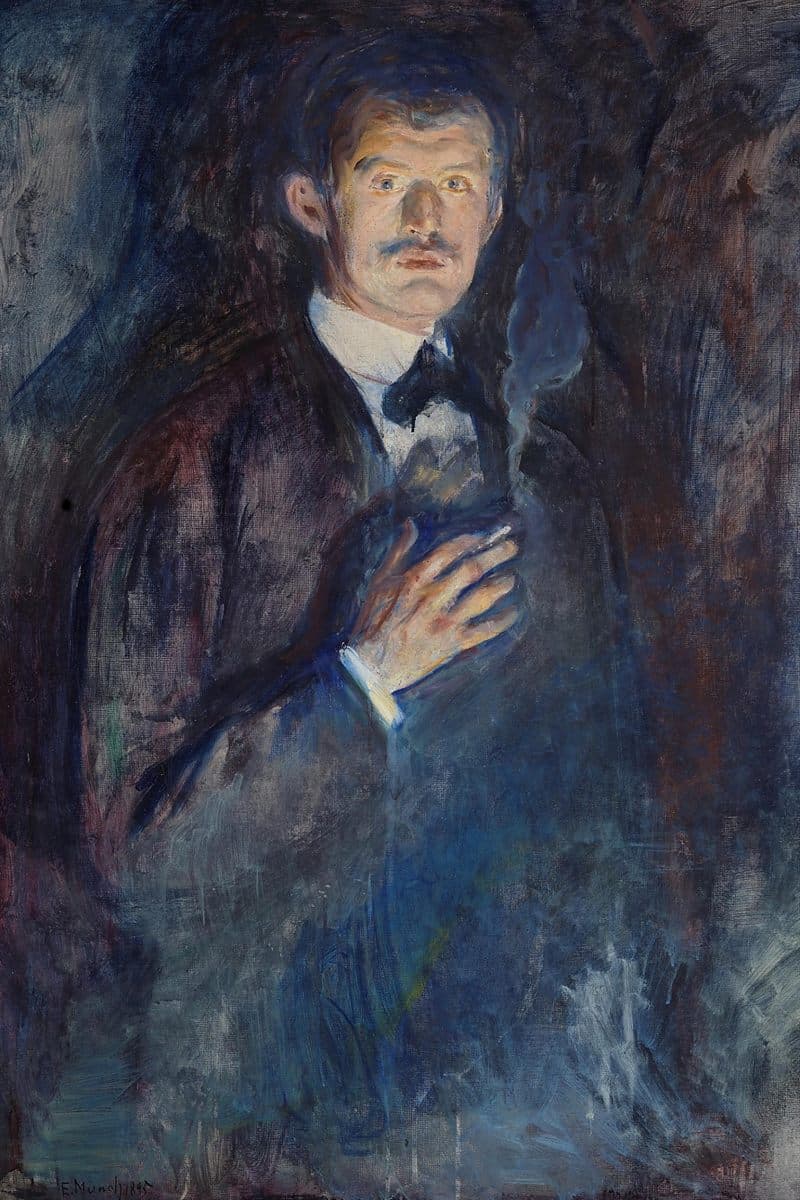
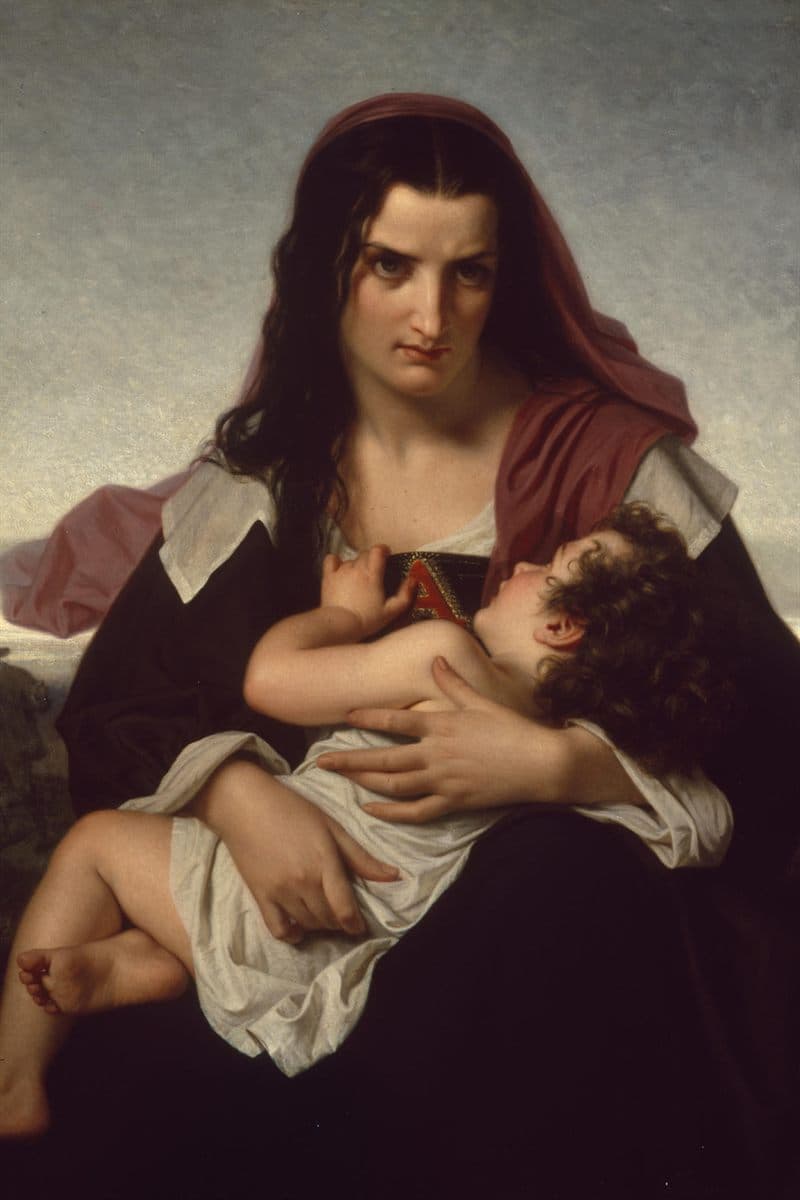
Why read The Genealogy of Morals?
The Genealogy asks where our morality came from and what it has cost. The First Essay sets “good and evil” against “good and bad” and argues that the first pair was minted by the losers of the second; the Second Essay begins with “the breeding of an animal that can promise” and works out where guilt and bad conscience got their grip; the Third asks what ascetic ideals mean — in artists, philosophers, priests, scientists — and answers that a man will sooner will nothingness than not will at all. The preface is signed from Sils-Maria in the Upper Engadine, July 1887, and he had a little over a year of work left before the 1889 collapse that ended it.
Nietzsche left instructions for reading him, and they describe this service almost exactly. In that preface he complains that an aphorism properly made is not “deciphered” the moment it is read — that it then, for the first time, requires expounding — and that the faculty this calls for is the one his century had lost: rumination, for the exercise of which, he says, it is necessary to be a cow and under no circumstances a modern man. The Third Essay is his own demonstration: an aphorism from Zarathustra stands at its head, and the twenty-eight sections that follow are its commentary. A section a morning, with the rest of the day to chew it, is the reading he asked for.
We serialize Horace B. Samuel’s translation in the carefully typeset Standard Ebooks edition, divided at Nietzsche’s own numbered sections and never inside one — eight for the preface, seventeen for the First Essay, twenty-five for the Second, twenty-eight for the Third, 78 mornings in all. The subject line names your place, “Third Essay, §1 · What Is the Meaning of Ascetic Ideals?”. There are no recaps: each section is one complete move, and his numbering is the thread.
Frequently Asked Questions
How long does it take to read The Genealogy of Morals?
Just over three and a half hours straight through (52,181 words). By email it’s 78 daily installments of 2–3 minutes — finished in about eleven weeks.
Is this a good first Nietzsche?
It’s the one we would start with. Three essays, one question, and an argument that holds still long enough to be followed — where Beyond Good and Evil is 299 aphorisms and Zarathustra is a prophet in costume. Nietzsche assumes in the preface that you have read his earlier books; in practice this one can be read cold.
Which translation is this?
Horace B. Samuel’s, in the carefully typeset Standard Ebooks edition — formal, a little old-fashioned, and public domain. The standard modern translations are all still in copyright.
Do I need to read it in order?
More than with the other two. Each essay is a single argument in numbered steps, and the steps arrive in his order. There are no recaps — nothing carries over the way a novel’s plot does — but the subject line names the essay and the section every morning, so picking the thread back up takes a second.
How does it arrive?
One numbered section per email, one email a day, at the hour you pick. Never split, never abridged. Free. Unsubscribe or pause anytime.
Horace B. Samuel translation, Standard Ebooks edition, public domain. Texts from Standard Ebooks and Project Gutenberg editions. Not affiliated with either.