Read Notes from Underground by email.
The shortest way into Dostoevsky.
A retired St. Petersburg civil servant — forty, friendless, and ferociously articulate — turns to the reader to explain why he will not be cured. Published in 1864 and often called the first existentialist novel, Dostoevsky's short masterpiece moves in two parts: a philosophical confession from the “underground,” then the mortifying misadventures that sent him there.
Two or three minutes a day, and every installment opens with a line reminding you where you left off.
Two months from now, you will have read Dostoevsky.
71 installments, one an email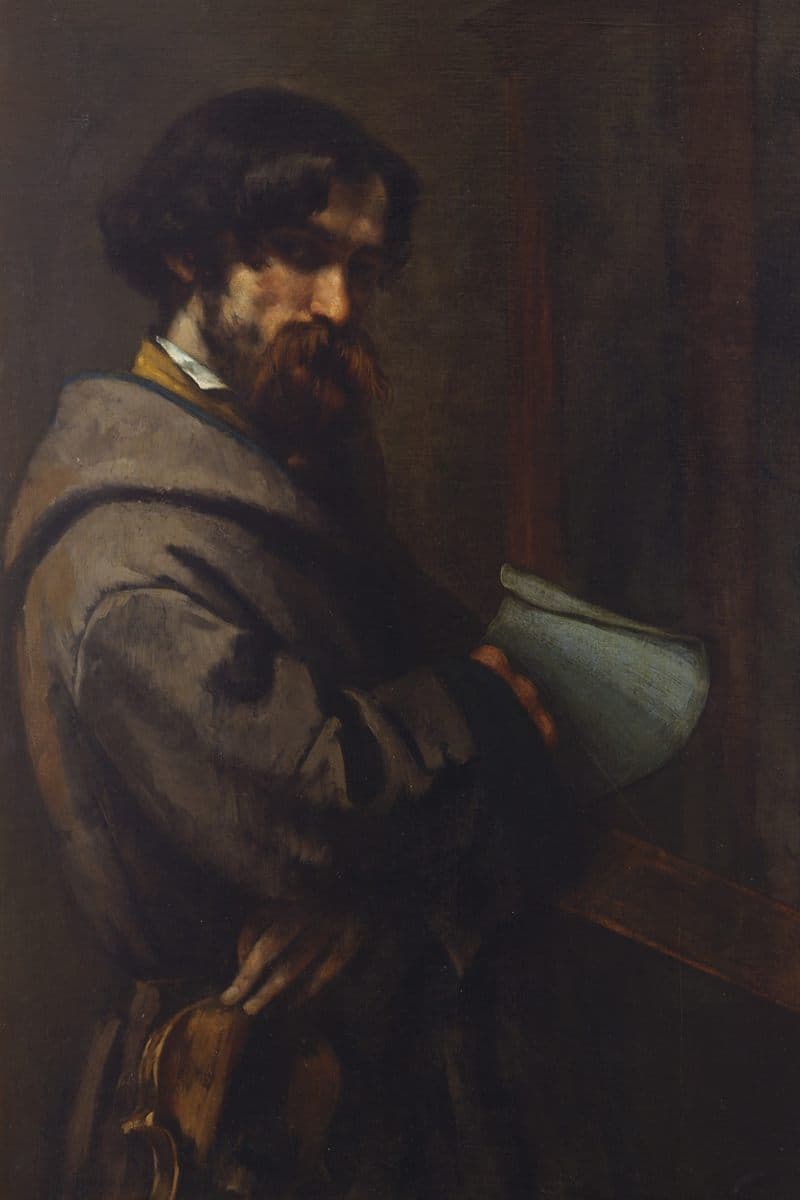
- First published
- 1864
- Translation
- Garnett
- Installments
- 71
- Each installment
- 2–3 min
How long it takes
- Words
- 44,165
- Reading time
- 3 hours 4 minutes
- At 5 minutes a day
- 5 weeks
- At 10 minutes a day
- 3 weeks
- At 20 minutes a day
- 9 days
At 240 words a minute, the average for adult silent reading. Use your own speed
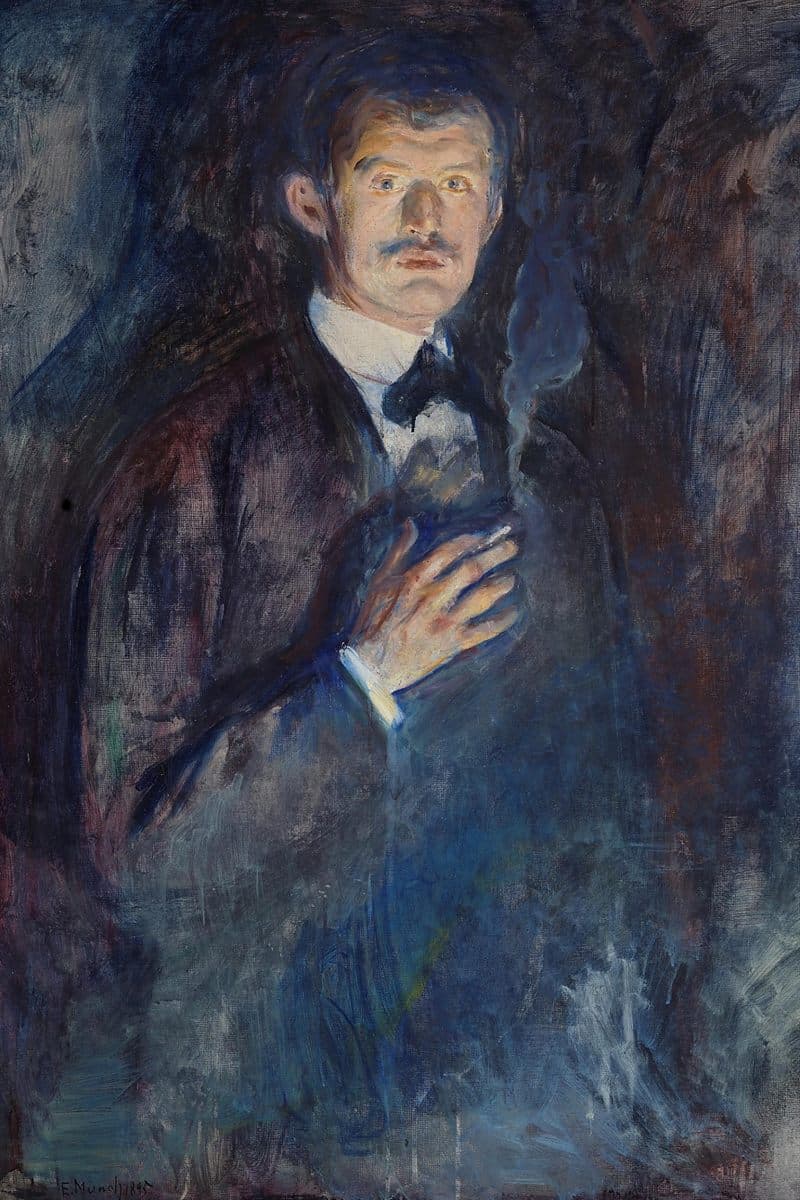

Why read Notes from Underground?
Notes from Underground is the best short introduction to Dostoevsky — all the psychological intensity of the big novels at a tenth of the length. Its narrator is the original unreliable modern voice: self-aware, self-sabotaging, and impossible to stop reading.
The book runs in two halves. Part One is a philosophical monologue against rationalism, utopia, and your own best interests; Part Two is the story — a dinner party crashed, an insult avenged over years, an act of cruelty the narrator can neither justify nor forget. In installments, the ranting voice becomes a strange daily companion.
We serialize the classic Constance Garnett translation, chunked at chapter boundaries — never mid-thought — with a “Previously” recap on every installment so the thread never drops.
Frequently Asked Questions
How long does it take to read Notes from Underground?
About three and a quarter hours straight through (44,165 words). By email, it's 71 daily installments of 2–3 minutes each — finished in about ten weeks.
Is Notes from Underground a good first Dostoevsky?
Yes — it's short, it's the seedbed of the themes in Crime and Punishment and The Brothers Karamazov, and its voice is unforgettable. If you eventually want the big novels, this is the on-ramp.
Which translation is this?
Constance Garnett's classic public-domain translation, in the carefully typeset Standard Ebooks edition. Garnett is how generations of English readers first met Dostoevsky.
Isn't it depressing?
It's funnier than its reputation — bitterly, deliberately funny. The narrator knows exactly how ridiculous he is, and telling you is the point.
How does it arrive?
One email a day at the hour you pick, with a one-line recap of the previous installment at the top. Free. Unsubscribe or pause anytime.
Constance Garnett translation, Standard Ebooks edition, public domain. Texts from Standard Ebooks and Project Gutenberg editions. Not affiliated with either.